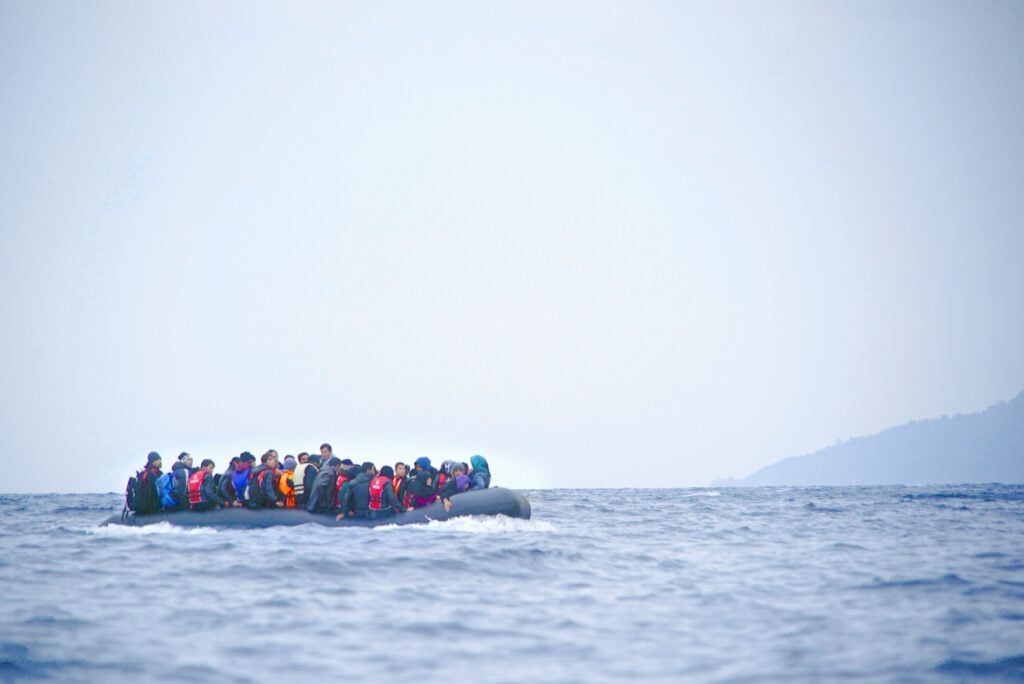
An alliance of centre-right and far-right lawmakers won a vote for anti-immigration enforcement measures in the European Parliament last week. The Return Regulationis designed to speed up the removal of undocumented people and promises racial profiling, biometric control, expanded detention powers, and accelerated deportation to countries outside the EU. The approval was met with hearty applause and “send them home” chants from far-right MEPs, whose parties achieved historic gains during the 2024 EU elections in countries including France, Germany and Austria.
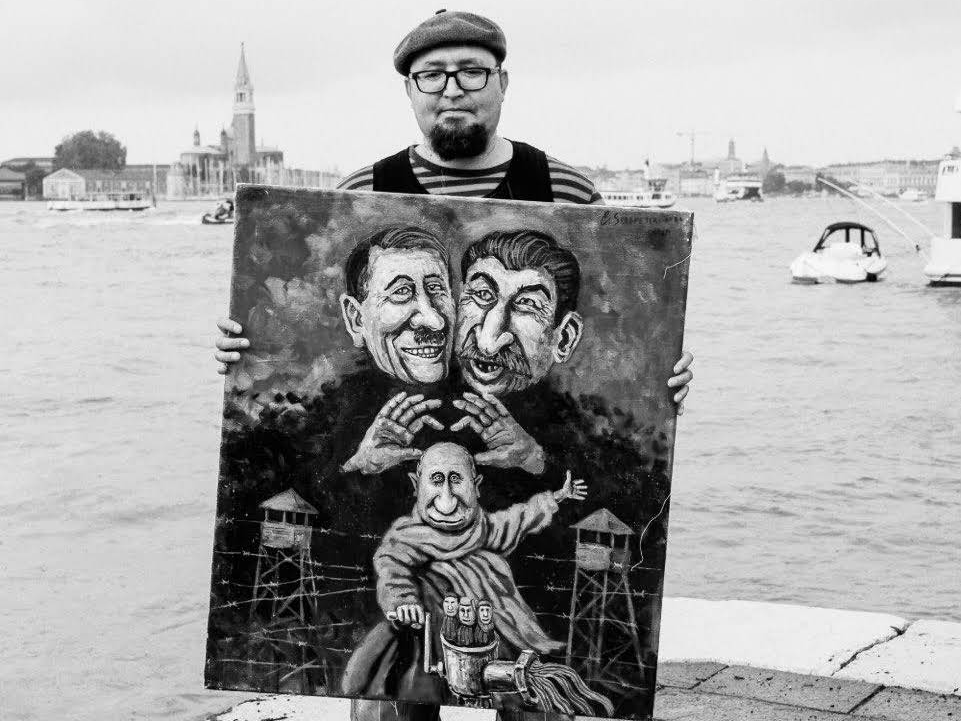
Bashkir artist Semyon Skrepetsky was shot dead in Eastern Poland on 15 June. His last act before being assassinated was to appear, dressed in a mock uniform with medals, in front of the Russian embassy in Berlin carrying a picture of Stalin feeding Putin from his hand. Later, police arrested two Belarusian citizens in connection with the murder, who were trying to flee to the Belarusian embassy.
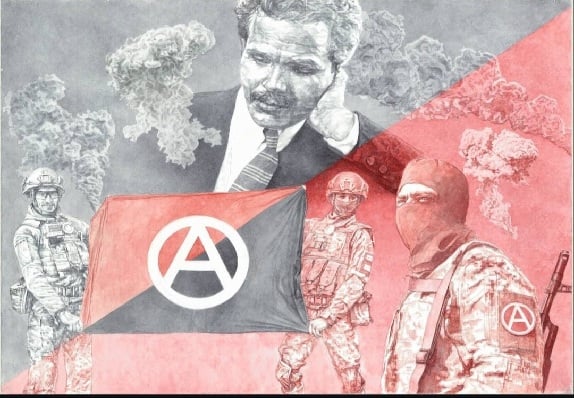
Davyd Chychkan, a Ukrainian artist known for his anarchist political views and socially engaged artwork, died 9 August from wounds sustained while repelling a Russian infantry assault in southern Zaporizhzhia Oblast. He was 39 years old.
Why was an anarchist artist on the front lines? Chychkan had his reasons.
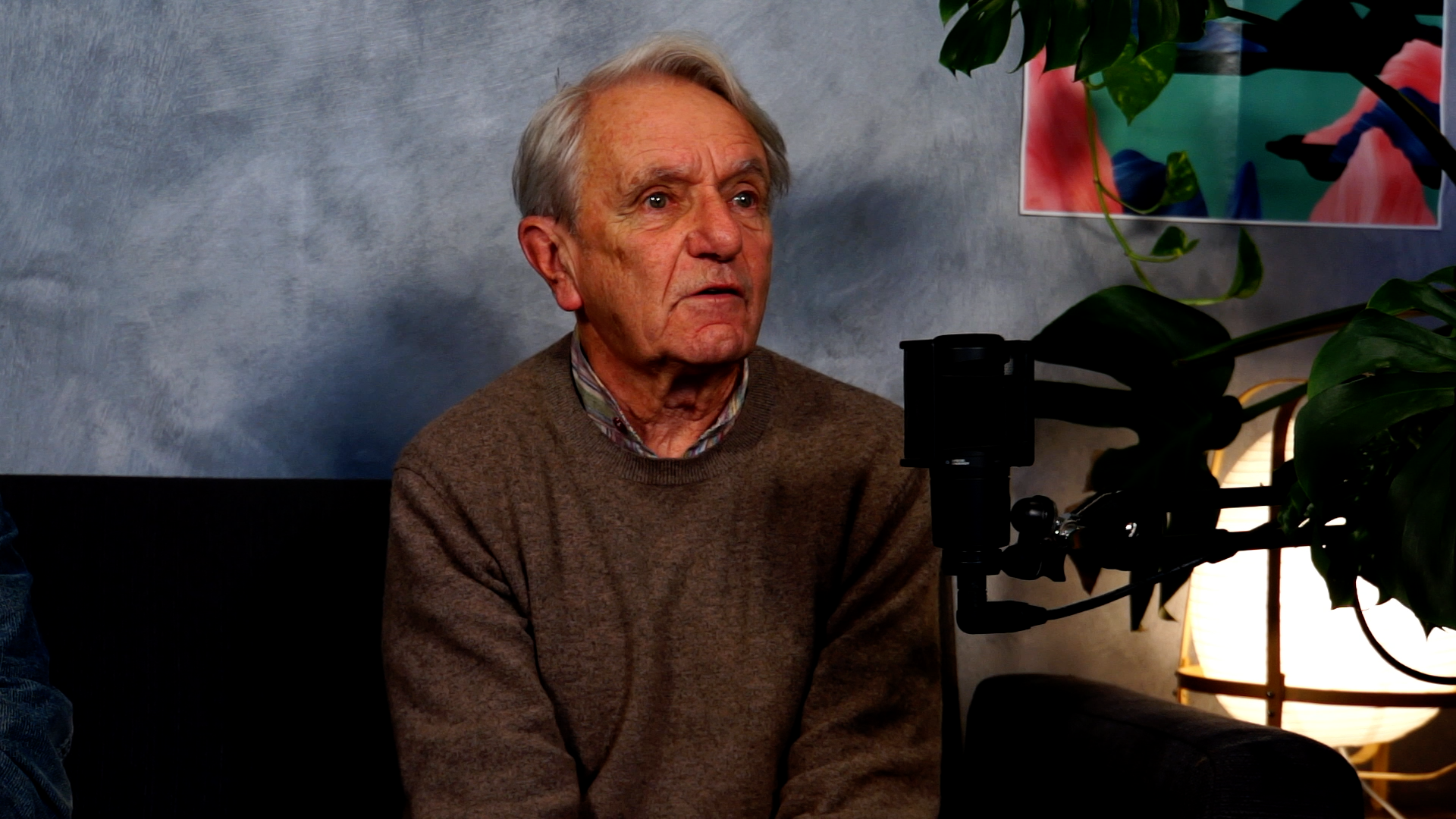
In a foreword to the translation and publication in Greece of a collection of texts by Jacques Rancière [1], Maria Kakogianni – whose book Sous le ciel étoilé, une nuit d’éte: Réflexions sur l’anarchie et la révolution [Under the Starry Sky, One Summer Night] we have just published – Reflections on Anarchy and Revolution, spoke with the philosopher. The conversation touches on the present, the counter-revolution currently underway, the legacy of ’68, capitalism heading for disaster, and us, who still do not know exactly where we are heading.
Pascal once said, in his magnificent style: “The universe is a circle whose centre is everywhere and whose circumference is nowhere.”[1] Could there be a more striking image of infinity? After him, let us say, a little more precisely: the universe is a sphere whose centre is everywhere and whose surface is nowhere.
… to participate in a revolution, to commit one’s responsibility for reciprocal equality and shared dignity has never been a realisation. It is first to produce the possible.
Maria Kakogianni
___
At night, we no longer see the stars. This is not a metaphor, but rather a sign. A sign of our own disaster. Under the sky, everything is collective fate and conditioned freedom. Ordinary violence and its chronic pains, humiliation. Our bodies turn against themselves. No justice anywhere, autoimmune diseases everywhere. The future has a fever. And yet. In the midst of the darkness, the light trembles like a burst of laughter. Joy as a new idea. Anarchy as an experience. Revolution as a new beginning. At the edge of worlds rather than at the end of the world. We [as a collective subject] is still here.
___
A new book from lundimatin press was released this last March 20: Under the Starry Sky, a Summer Night; Reflections on Anarchy and Revolution [Sous le ciel étoilé, une nuit d’éte: Réflexions sur l’anarchie et la révolution], by Maria Kakogianni.
In this short essay, philosopher Maria Kakogianni sets out to dust off our preconceived notions of revolution and anarchy. “The aim of these pages is a positive manifestation of anarchy”.[2]
Starting from a simple yet stark observation, that we hardly see any stars anymore, she derives a metaphor for the world: we live in a starless age.
The twenty-two short sections that make up the book are like rays radiating in every direction. We encounter Catherine Malabou and Margaret Thatcher, Immanuel Kant and Auguste Blanqui, Vincent Bolloré and the Invisible Committee. We discuss everyday fascism, pirate pleasures, Plato, and even Tai Chi.
A book of politics, poetry, and philosophy, Under the Starry Sky, a Summer Night is above all a book of mixtures for a revolutionary space. At its heart lies the necessity of inventing a positive and regular anarchy, with feet on the ground and head in the stars.
Maria Kakogianni is a philosopher and writer. She has published numerous books, including Entretien platonicien avec Alain Badiou (éd. Lignes), Le Printemps précaire des peuples (éd. Divergences), Surgeons et autres pousses (éd. Excès).
Our enthusiasm for this work led us to venture an English language translation of selections from text. Any such selection of course may be contested and we are perfectly aware of the limitations of this exercise. And yet our hope remains that the selection that we have made will be sufficient to demonstrate the importance of Maria Kakogianni’s essay.
What we offer below is of course no substitute for any English language translation-publication that may eventually be forthcoming. Until then, let this stand as a modest introduction for those who are not entirely comfortable with French.
An Interview on Repression and Resistance in Greece
For June 11, the day of International Solidarity with Long-Term Anarchist Prisoners, we want to offer a glimpse of the repression that the anarchist movement is facing in Greece and the ways that people are resisting it. For that purpose, we present interviews with members of two groups, the Solidarity Assembly for Imprisoned Fugitives and Persecuted Combatants and the Squatted Community of Koukaki.
The neoliberal immiseration of Greece is taking its toll. The descendants of those who collaborated with the Nazis are in power once again here.
They are out of touch with the lives that most of us lead in these precarious lands. They imitate the fascist narratives that are at work in the United States, pushing for the same “quality of life policing” and “law and order” doctrines while enjoying corruption and excess at our expense.
This is taking place all across the world, and everywhere, relentless judicial repression plays an integral part.
Because of this, for the sake of our integrity, it is critical that we engage in solidarity, learning from each other’s struggles and preserving our revolutionary communities and bonds. These are victories in and of themselves that we can grasp, even if they don’t always leave us smiling.
Solidarity is not just a means of self-preservation, but a thread connecting everyone across the world who seeks liberation rather than settling for a society dictated by domination, exploitation, and an unrelenting death cult.
Organising-federating anarchists in Seville. From El Topo, Nº 71, May 2026
On February 12, 2026, at CSOA La Yesca, we presented ourselves as the Seville Anarchist Assembly. After more than two years of internal work, the time had come for us to open up and expand our forces to build anarchy in Seville and beyond.
We alone are the vehicle for our Idea, and only through our work will it one day become an indispensable part of life.[1]
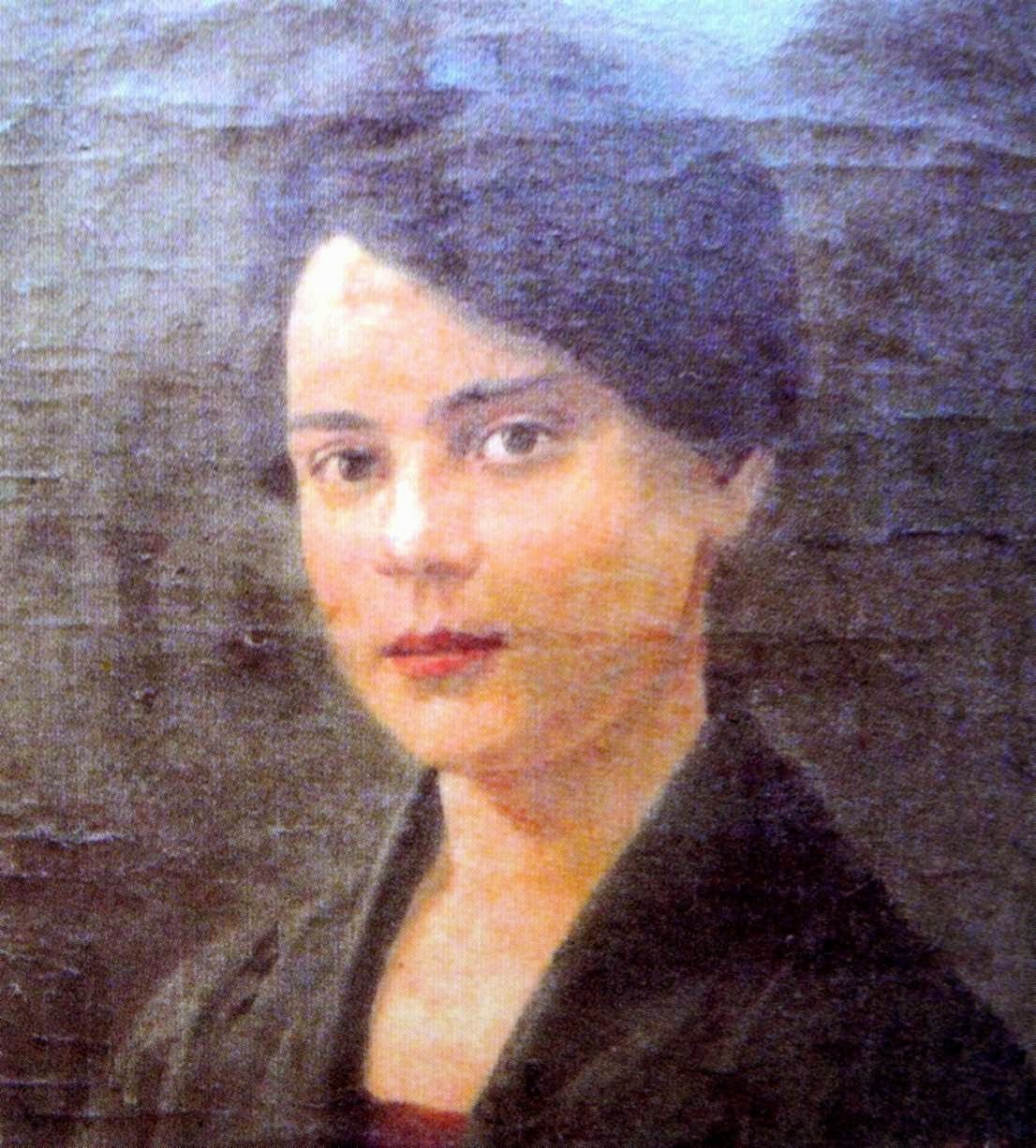
Virgilia D’Andrea
Before the myriad torments of the world – of poverty, slavery, hunger, imprisonment, torture, murder – Virgilia D’Andrea’s poetry holds fast to faith; the faith in a resurrected fraternity, a faith sustained by the self-sacrifice of those who fully dedicate themselves in thought and deed to the redemption of humanity as humanity.
We know of few anarchist writers – in this instance, in D’Andrea’s poetry – where religious analogies and metaphors burn with such fire. And this is not, we believe, mere chance or happenstance.
When we’re afraid, we lose all sense of analysis and reflection. Our fear paralyzes us. Besides, fear has always been the driving force behind all dictators’ repression.
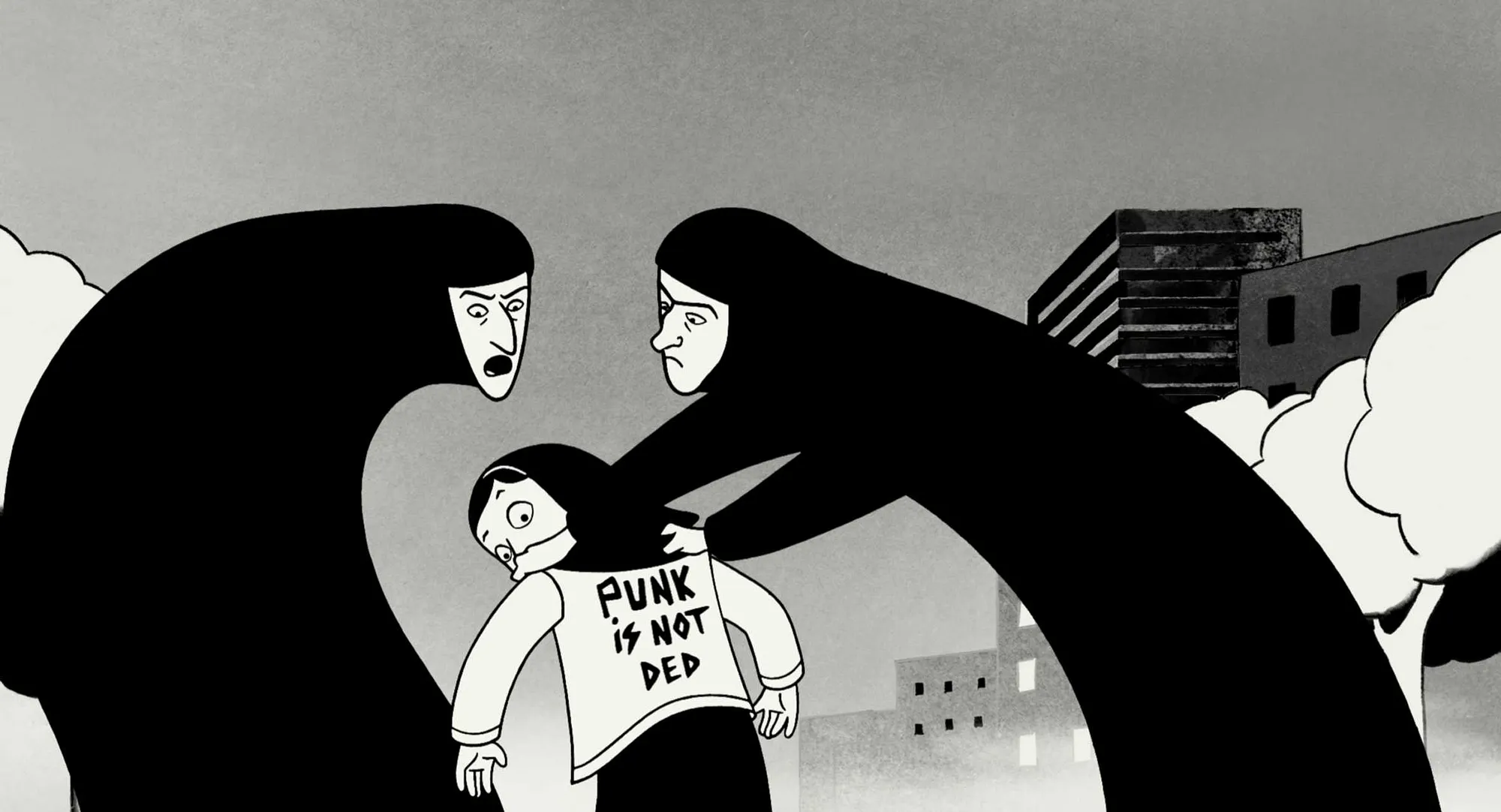
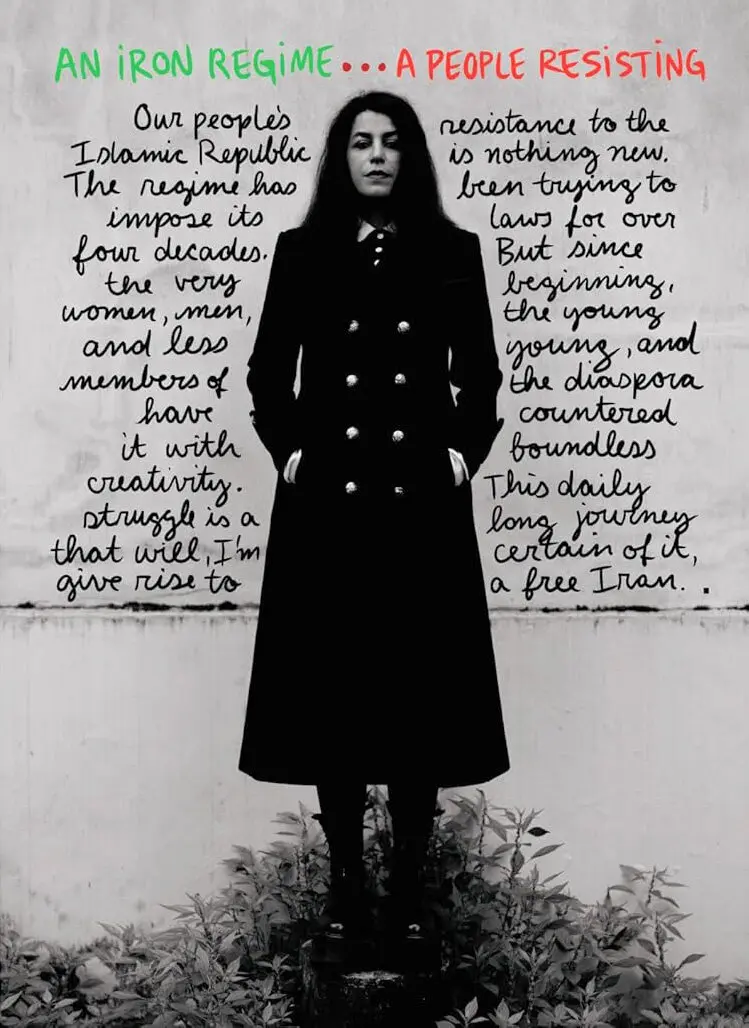
The regime had understood that one person leaving her house while asking herself: Are my trousers long enough? Is my veil in place? Can my make-up be seen? Are they going to whip me?
No longer asks herself: Where is my freedom of thought? Where is my freedom of speech? My life, is it liveable? What’s going on in the political prisons?
Marjane Satrapi,Persepolis
As long as you’re alive you can protest and shout, yet laughter is the most subversive weapon of all.
Embrace diversity. Unite- Or be divided, robbed, ruled, killed By those who see you as prey. Embrace diversity Or be destroyed.
Octavia E. Butler, Parable of the Sower
We propose to risk making a statement of the basic and interrelated principles of anarchism (basic principles from which all other anarchist principles and/or values can be inferred and/or connected): “direct action” – the refusal of non-voluntary action in social relations, the rejection of delegation to all hierarchical authority, based on the belief that human fulfillment is greater in acts of direct creation; “mutual aid” – free and equal “direct action” is only possible through cooperation, collective care, community ties and the rejection of dispossession by and through private property and exploitation; “federalism” – the first two principles are impossible without the decentralisation of power, its distribution and fracturing “downward” into the hands of those directly affected by social decisions, in all spheres of collective life.
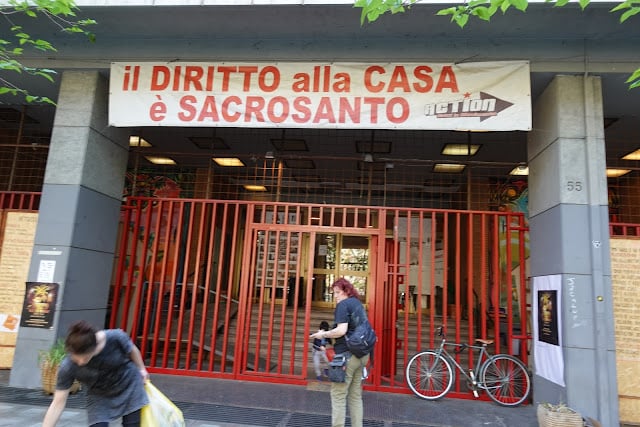
And we propose in turn to risk holding them up against an experiment in collective life; more concretely, against the experience of a collective community of squatters in the centre of Rome, as recorded in Sabina Guzzanti’s participatory documentary, Spin Time – che fatica la democrazia! [Spin Time, subtitled How Tiring Democracy Is!] (2021).
Under the starry sky, a summer’s night; Reflections on anarchy and revolution
Pascal once said, in his magnificent style: “The universe is a circle whose centre is everywhere and whose circumference is nowhere.”[1] Could there be a more striking image of infinity? After him, let us say, a little more precisely: the universe is a sphere whose centre is everywhere and whose surface is nowhere.
Auguste Blanqui, Eternity by the Stars (1872), The Blanqui Archive
… to participate in a revolution, to commit one’s responsibility for reciprocal equality and shared dignity has never been a realisation. It is first to produce the possible.
Maria Kakogianni
___
At night, we no longer see the stars.
This is not a metaphor, but rather a sign.
A sign of our own disaster.
Under the sky, everything is collective fate and conditioned freedom.
Ordinary violence and its chronic pains, humiliation.
Our bodies turn against themselves.
No justice anywhere, autoimmune diseases everywhere.
The future has a fever. And yet.
In the midst of the darkness, the light trembles like a burst of laughter.
Joy as a new idea.
Anarchy as an experience.
Revolution as a new beginning.
At the edge of worlds rather than at the end of the world.
We [as a collective subject] is still here.
___
A new book from lundimatin press was released this last March 20: Under the Starry Sky, a Summer Night; Reflections on Anarchy and Revolution [Sous le ciel étoilé, une nuit d’éte: Réflexions sur l’anarchie et la révolution], by Maria Kakogianni.
In this short essay, philosopher Maria Kakogianni sets out to dust off our preconceived notions of revolution and anarchy. “The aim of these pages is a positive manifestation of anarchy”.[2]
Starting from a simple yet stark observation, that we hardly see any stars anymore, she derives a metaphor for the world: we live in a starless age.
The twenty-two short sections that make up the book are like rays radiating in every direction. We encounter Catherine Malabou and Margaret Thatcher, Immanuel Kant and Auguste Blanqui, Vincent Bolloré and the Invisible Committee. We discuss everyday fascism, pirate pleasures, Plato, and even Tai Chi.
A book of politics, poetry, and philosophy, Under the Starry Sky, a Summer Night is above all a book of mixtures for a revolutionary space. At its heart lies the necessity of inventing a positive and regular anarchy, with feet on the ground and head in the stars.
Maria Kakogianni is a philosopher and writer. She has published numerous books, including Entretien platonicien avec Alain Badiou (éd. Lignes), Le Printemps précaire des peuples (éd. Divergences), Surgeons et autres pousses (éd. Excès).
lundimatin #517, 28/04/2026
___
Our enthusiasm for this work led us to venture an English language translation of selections from text. Any such selection of course may be contested and we are perfectly aware of the limitations of this exercise. And yet our hope remains that the selection that we have made will be sufficient to demonstrate the importance of Maria Kakogianni’s essay.
What we offer below is of course no substitute for any English language translation-publication that may eventually be forthcoming. Until then, let this stand as a modest introduction for those who are not entirely comfortable with French.
Continue reading →