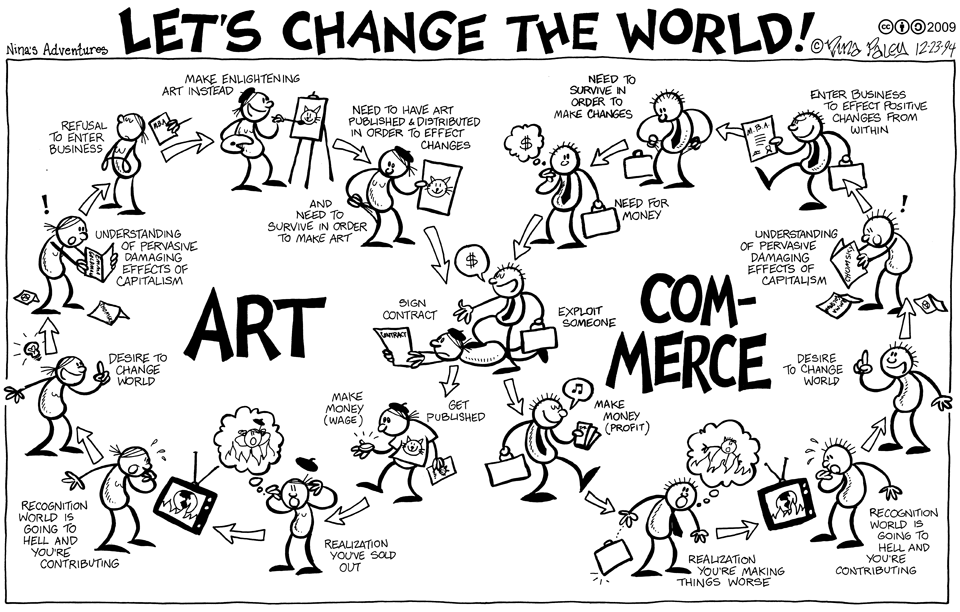
Calling both a grassy field and ideas a “commons” is interesting, because one of them, the grassy field, is tangible and scarce, whereas the other one is not actually limited. A lot of the conversation that happens around imaginary property is that people think that it is real. The “enclosure of the commons” metaphor definitely works for both, but a grassy field is very different from culture in that there’s only so much grassy field. A grassy field is actually real; if, for example, you take a bulldozer to your grassy field, then the grassy field is ruined. But if you take your bulldozer to a copy of your work, then there are all these other copies. It doesn’t affect the idea. It only affects one copy. So the concept of the “tragedy of the commons” doesn’t really apply to intellectual/cultural works at all.
Real things are limited. If you don’t take care of the field, or if you overgraze it, then there’s not enough grass for the other sheep. With cultural works, it’s the exact opposite. The more they’re shared, the more valuable they become. People apply these ideas about scarcity to culture, and culture is not scarce. People are thinking of the “problem of abundance”: the idea that people don’t know what to do with abundance. But there is no tragedy of the cultural commons. I’ve read justifications of copyright where people say that if culture is shared too much the value of the work is diluted. Who came up with that idea? The opposite is true: works do not become less valuable the more they’re shared; they become more valuable the more they’re shared. What on earth are they talking about when they say that sharing dilutes the value of the work?
Nina Paley
Artist of comic strips, animation films and free culture activist, Nina Paley defends through her creative work the right to a commons, a cultural commons that embraces all dimensions of human life; a commons constantly threatened by all manner of violent possession and exclusion.
Continue reading →
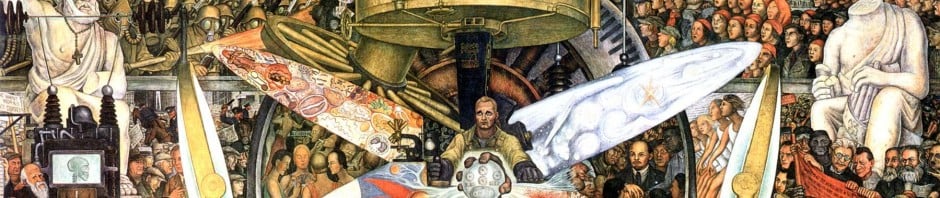

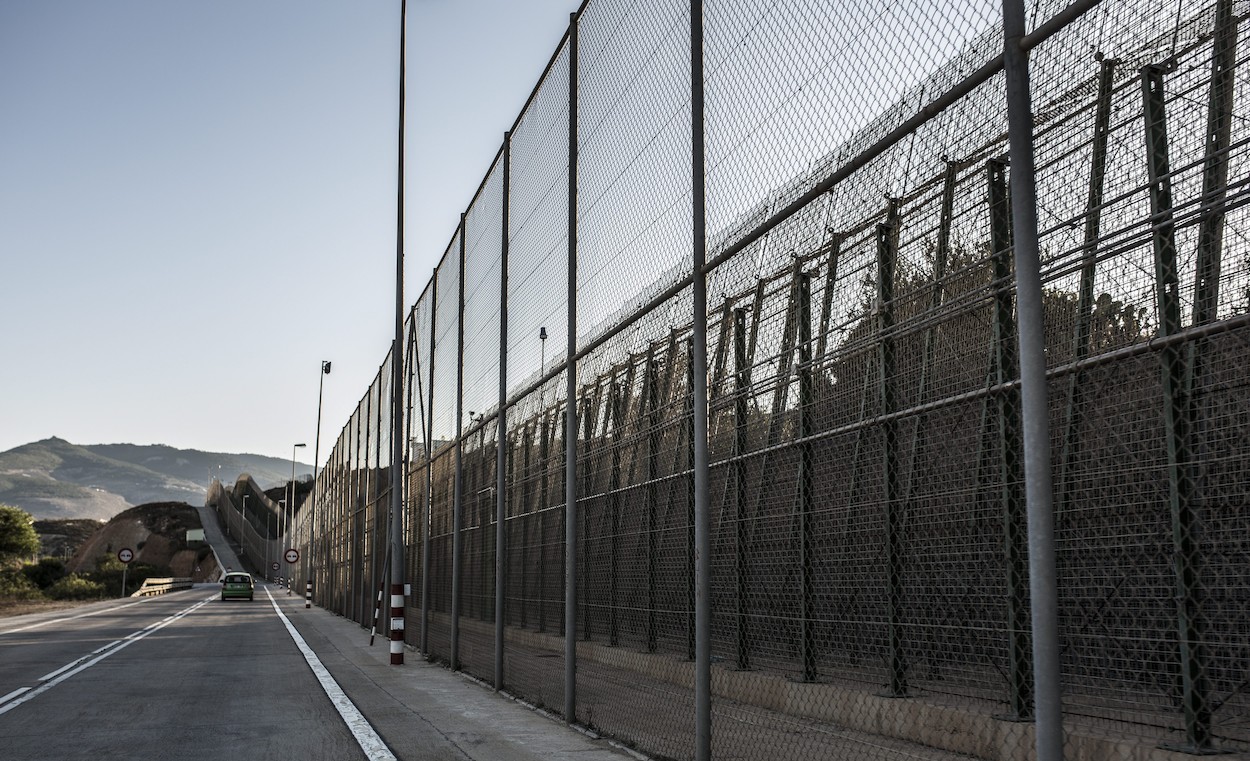

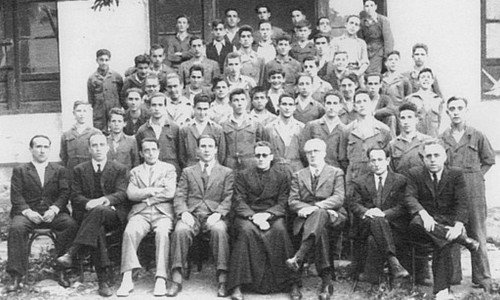

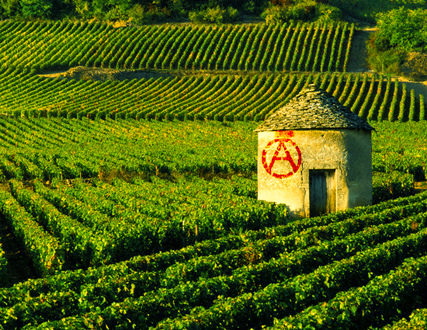

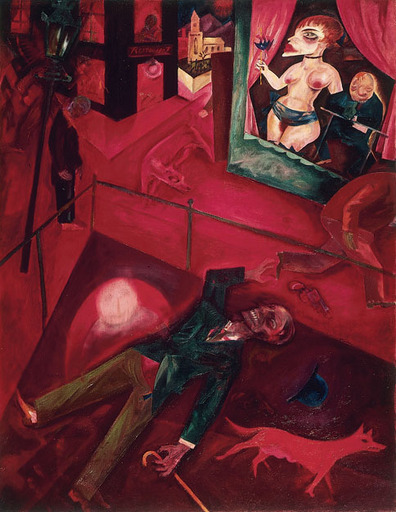
From Espai en Blanc: El Pressentiment
Born in 2002 in Barcelona, walking between critical thought and activism, the Espai en Blanc collective has elaborated creative forms of political intervention that we have been late to share. Below is the ongoing El Pressentiment …
Continue reading →