
(photograph by Sebastião Salgado)
proletarian
1650s (n.) “member of the lowest class;” 1660s (adj.) “of the lowest class of people;”; with – iant + Latin proletarius “citizen of the lowest class” (as an adjective, “relating to offspring), in Ancient Rome, propertyless people, exempted from paying taxes and military service, who served the state only by having children; from proles “offspring, progeny”.
…
Where, then, is the positive possibility of a German emancipation?
Answer: In the formulation of a class with radical chains, a class of civil society which is not a class of civil society, an estate which is the dissolution of all estates, a sphere which has a universal character by its universal suffering and claims no particular right because no particular wrong, but wrong generally, is perpetuated against it; which can invoke no historical, but only human, title; which does not stand in any one-sided antithesis to the consequences but in all-round antithesis to the premises of German statehood; a sphere, finally, which cannot emancipate itself without emancipating itself from all other spheres of society and thereby emancipating all other spheres of society, which, in a word, is the complete loss of man and hence can win itself only through the complete re-winning of man. This dissolution of society as a particular estate is the proletariat.
Karl Marx, A Contribution to the Critique of Hegel’s Philosophy of Right
Much has been said of the death of the working class. And if by this notion one is to understand modern industrial labourers as the self-conscious and socially determined bearers of a future post-capitalist or communist society, then there is no reason to declare its death, for it never existed. Workers there were and are, but nothing has ever rendered them the inevitable agent of capitalism’s destruction. Nothing, in other words, marks them intrinsically as the anti-capitalist revolutionary subject.
Does it still then continue to make sense to speak of the working class, of the proletariat, in this sense? Is the proletariat even to be identified with the working class? And is the proletariat capitalism’s grave digger, without which we are condemned to its violence? In sum, is there anything resembling a proletarian (or any) revolutionary subject? Indeed, what remains of the very concept of revolution?
The essay below, in translation, was published with the french media collective paris-luttes.info and is intended to open a debate. Whatever differences we may have with the theses herein presented, the text is valuable, both for what it says, and perhaps for what it leaves unsaid.
One paradoxical idea that whispers below the surface is that the proletariat is both the victim of capitalism and its necessarily assimilated foundation. Revolution then must be made both against capital and the capitalist self within. Which is to say that the proletariat is both enemy and friend of capital, or stated different, that there is no longer any outside to capitalism, or again, that we are all, in our lives (existentially, if one wishes) and to varying degrees, capitalists, while being proletarians.
We are capitalists not in being materially wealthy, nor in being the owners of the means of production, but in having been increasingly transformed into indistinguishable workers-debtors-consumers (varying only to the depth to which that can assume these identities) essential to the production and reproduction of capitalist social relations. Beyond this global, anonymous petite-bourgeoisie are the vestiges of pre-capitalist social forms, increasingly besieged by capital, and the many forgotten and discarded, below them, and the capitalists themselves who are proportionately fewer and fewer in number (though also richer), but who are also not immune to superfluousness before the reign of commodity-spectacles, above them.
But then if most of us are both proletarians and capitalists, does not revolution, or anti-capitalism, lie in the refusal of both, in the preference to be neither? Continue reading →


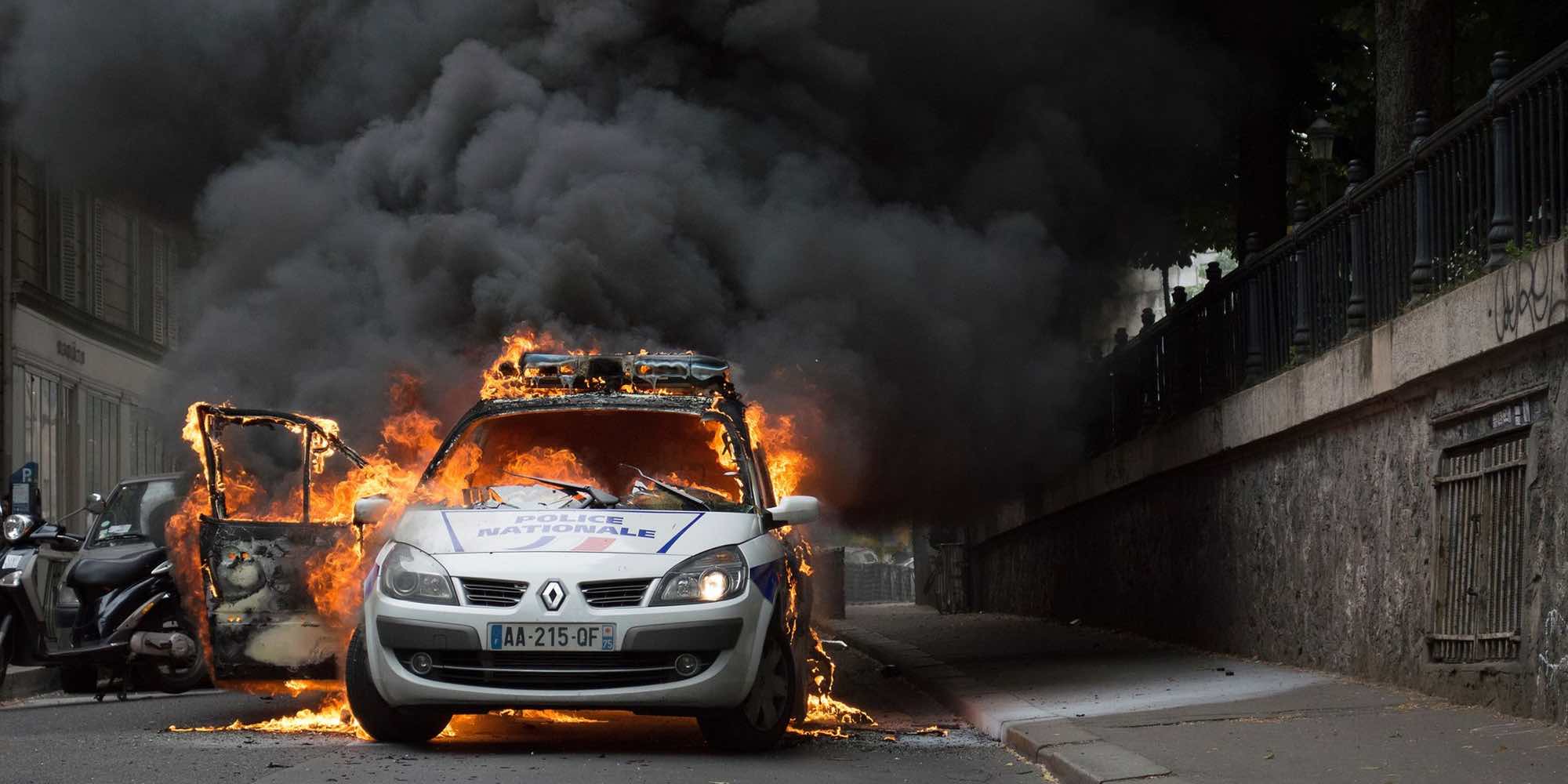


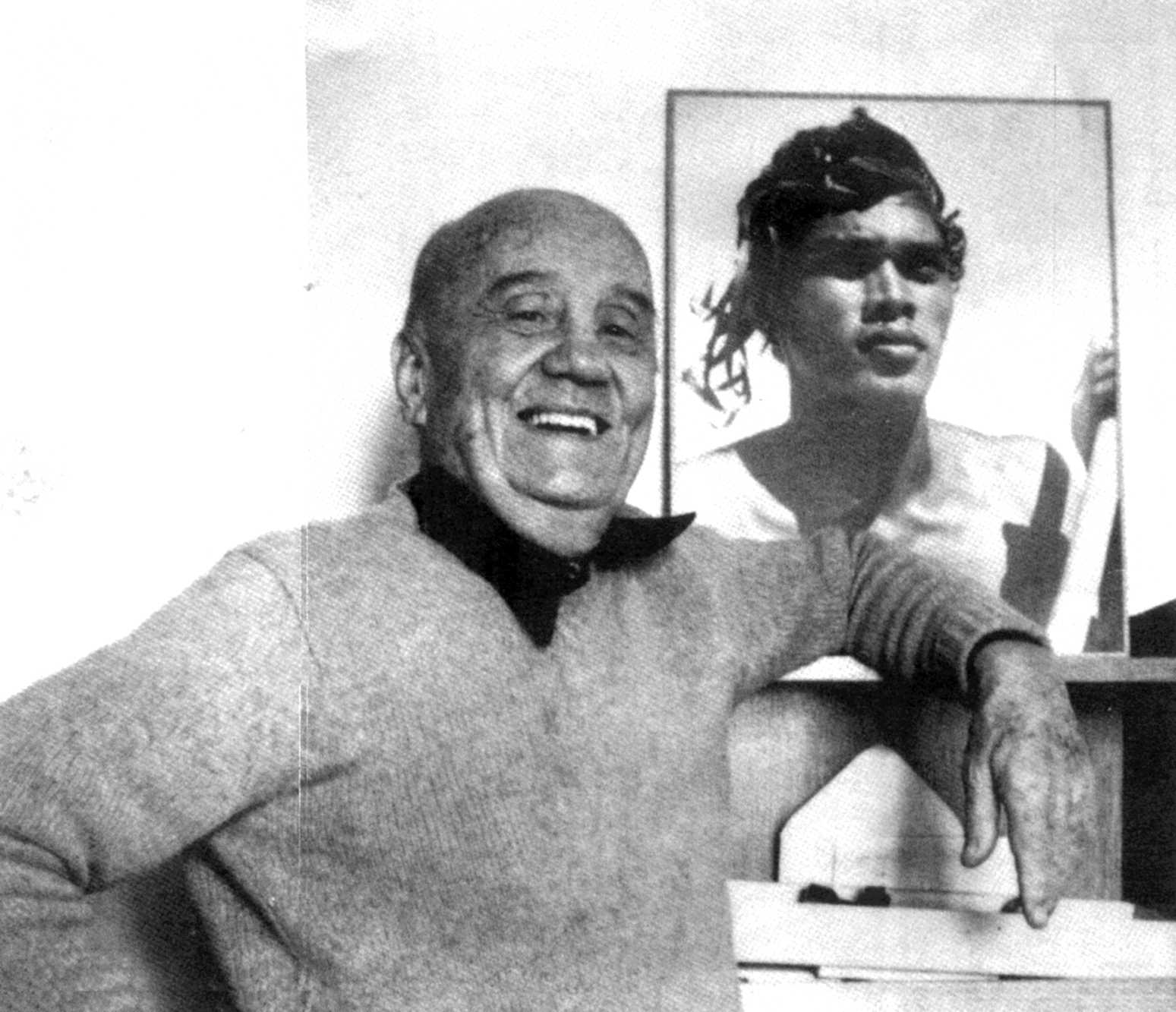


Financialization, precarity and reactionary authoritarianism: From Roarmag
(art by penny)
What would a politics look like that promised not to end but to embrace precariousness, not as an inescapable economic “reality” (which is what our current system of financialized austerity pledges) but as a socio-ontological sine qua non?
Max Haiven
Contemporary Capitalism promises a future of mastered precariousness; it seduces with the pleasures of domination. The promise is a fiction, for the proffered future is nothing but a repetition of the present, extended forever. In other words, that mastery is pure and violent hubris. And yet, in tapping into the most basic human passions and needs, and channeling them towards a bio-politics-towards-death, capitalism renews itself. And even among its critics, the illusory hope is that that precariousness can be managed for the good.
Against the exploitation of fragility for gain and power, what needs to be imagined and thought through is a politics of fragility; a politics where autonomy is conceived of on the basis not of sovereignty, but of mutual aid and dependence.
Reflections on the precariousness of human life, under capital and beyond …
An essay by Max Haiven, published with roarmag (16/1o/2017).
Continue reading →