From Freedom News (09/05/2025)
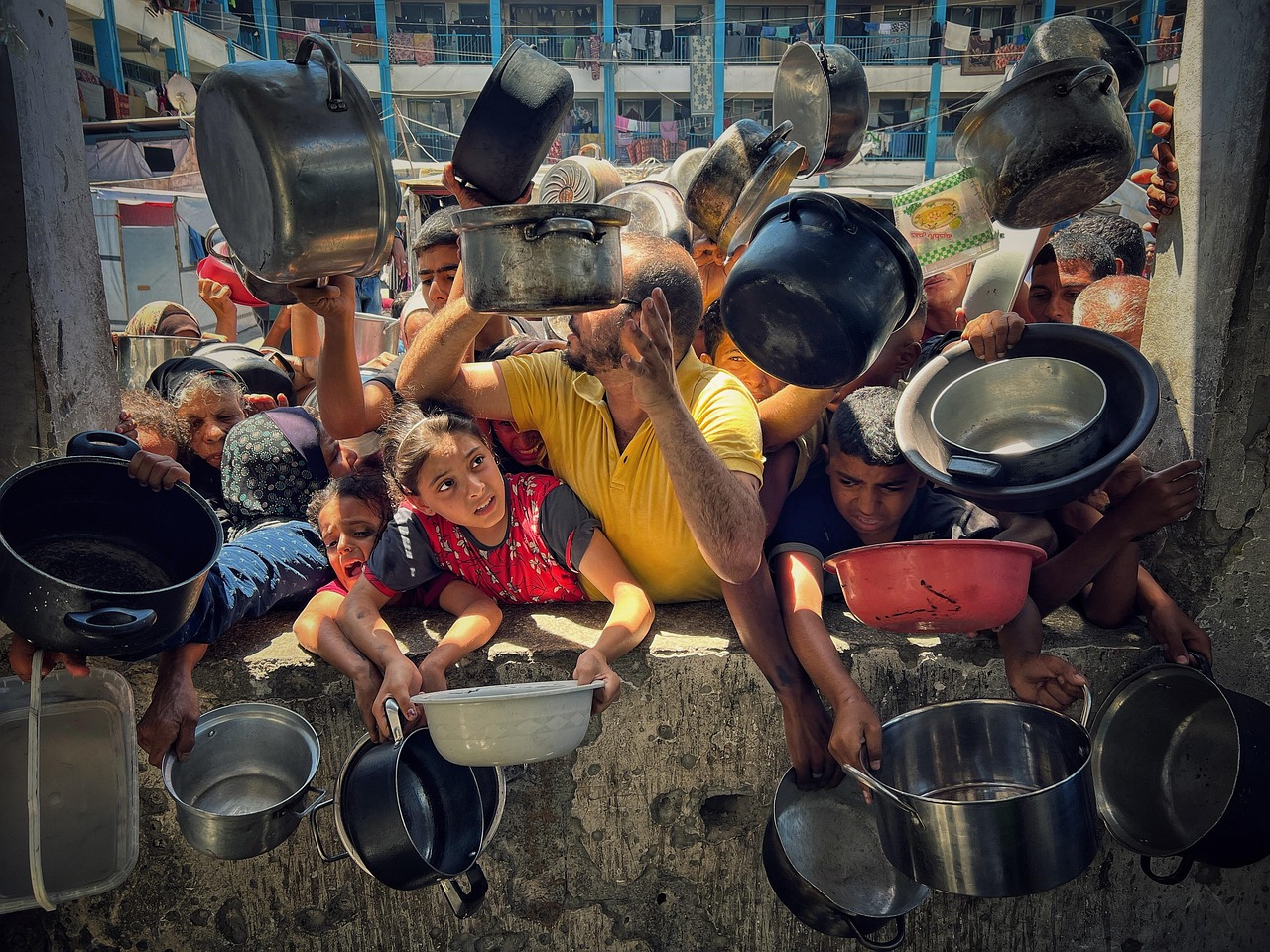
Their work in supporting anti-authoritarian armed resistance against Russian occupation has spilled over to directing aid to civilians living on the front
Josie Ó Súileabháin
“If people are tired of this war, tell them to come and join the fight. People are fighting and struggling here, and people need help. This is not a video game”.—Joy (Marcy–Yusef)
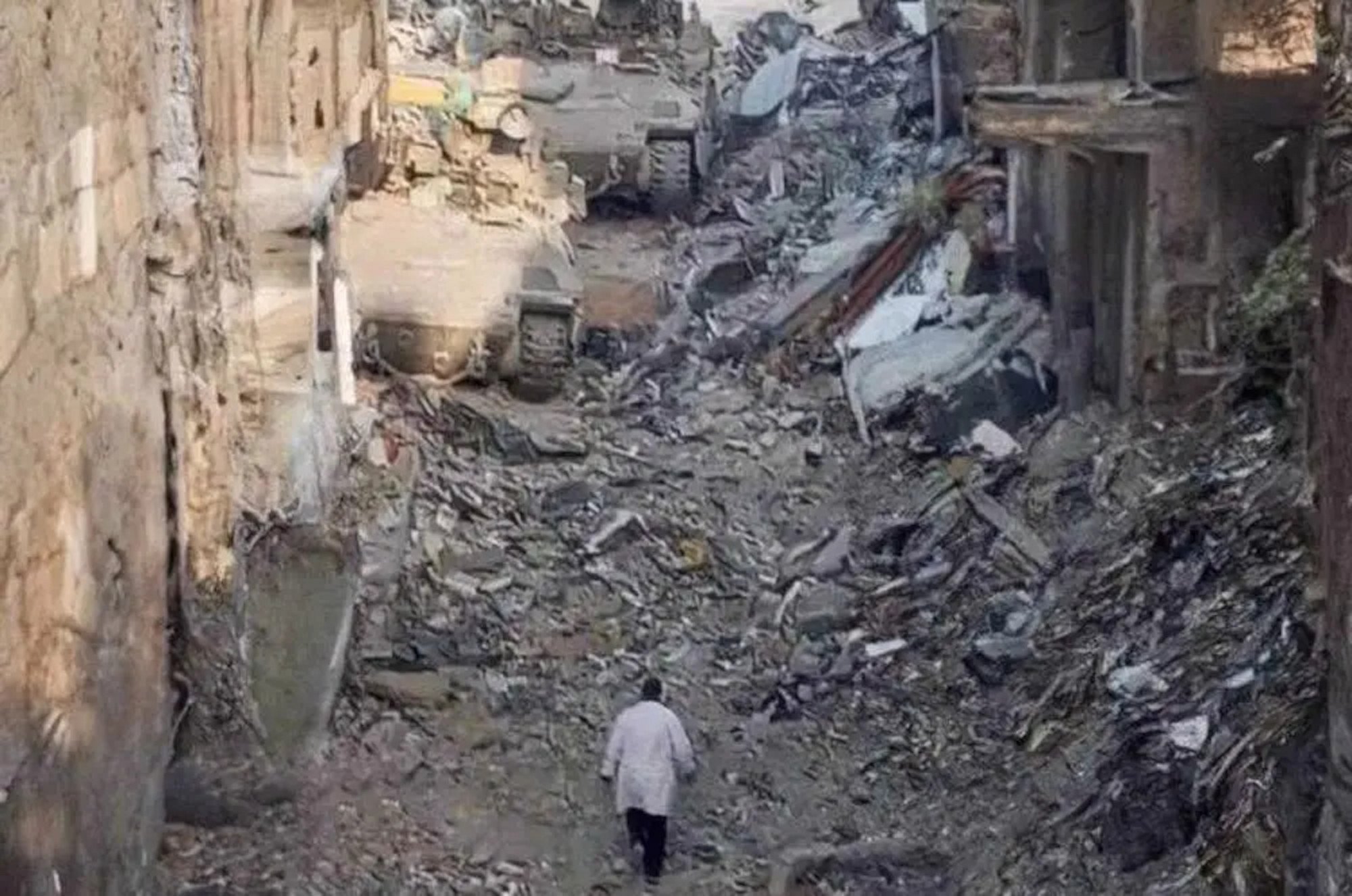
In a darkness demanded for survival, an old man speaks to volunteers in Kupyansk, Kharkiv Oblast following the retreat of the Russian army. “They attacked here, first with airstrikes, bombing the area”, he says. “They dropped bombs here—I still have some in my garden”.
“And did the animals survive?” the volunteers ask. “You see you were putting yourself at risk…”
“I let them go when the Russians forced me to evacuate at gun point… a missile hit the yard, and the garage and the barn burnt down. The ducklings burnt to death… but the chickens managed to survive… people left everything behind. Many people lost their legs because of the ‘Lepestok’ mines”.
“Clearing the gardens of mines?” he is asked.
“Sometimes by accident”, he replies. “Most of them lost their legs and a lot of de-miners blown themselves up here”.
The ‘Lepestok’ (PFM) mine is a scatterable munition that is identifiable by its green, petal shape and timed to explode. Ukraine has inherited millions of these small mines from the Soviet Union and destroyed at least half of them under efforts lead by the International Campaign to Ban Landmines. During the full-scale invasion, the Russian occupation has been documented using them around hospitals and in residential areas.
“I remember these petals scattered all over the hospital”, a medical worker at Izyum Central Hospital told Human Rights Watch (HRW). During the Russian occupation of Izyum, the Russian army set up a field hospital in the basement within the central hospital to treat their own wounded. At one point, there were only seven members of staff for Ukrainian patients.
“I heard a slam in the sky”, a neighbour to the hospital reported to HRW. “Previously I knew that if a cluster munition explodes above our heads, the submunitions would go over us because of inertia. Because of where they were, I understood they would fall on us. So I told my wife and we went to hide in the basement”.
“But there was no explosion. And our neighbour said: ‘Have a look, a petal on the ground.’”
Continue reading →




Fire and Ice: Lessons from the Battle of Los Angeles
An anonymous text, published at Ill Will (14/06/2025)
A printable zine version can be downloaded here.
I think I’ll stay on this earthquake fault near this still-active volcano in this armed fortress facing a dying ocean & covered w/dirt while the streets burn up & the rocks fly & pepper gas lays us out cause that’s where my friends are, you bastards, not that you know what that means. —Diane Di Prima, “Revolutionary Letter #52”
Momentum in the movement against mass deportations had been building for weeks. From San Diego to Martha’s Vineyard, spontaneous confrontations with ICE agents were already happening. Alongside that, there had been coordinated actions of activists and rapid response networks, including efforts to blockade ICE vans in downtown Manhattan.
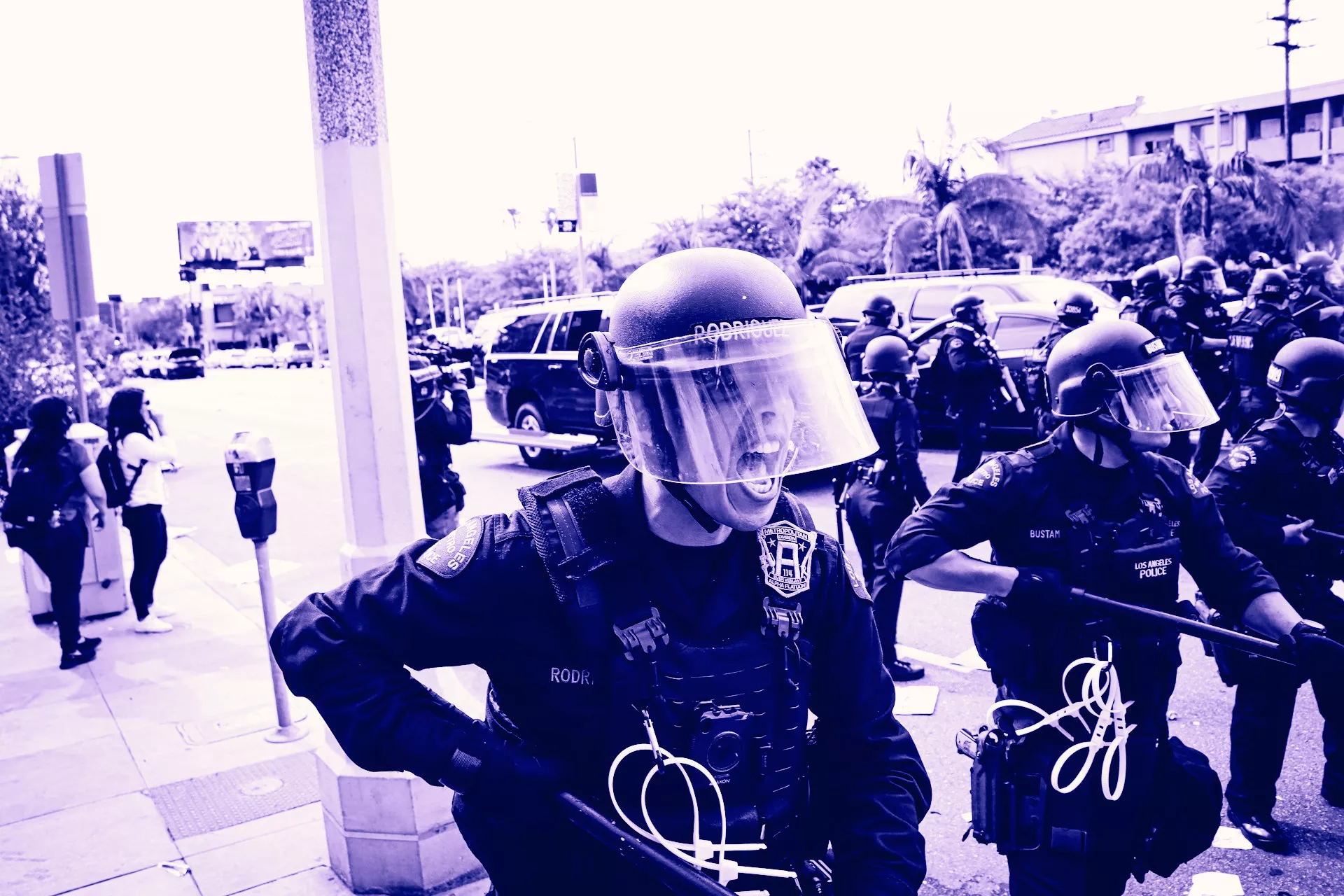
Everyone knew it was about to explode. Then, in Los Angeles, it finally happened. Crowds gathered in response to ICE raids in several neighborhoods. This was followed by protests night after night outside of the Metropolitan Detention Center, where arrested migrants were being held.
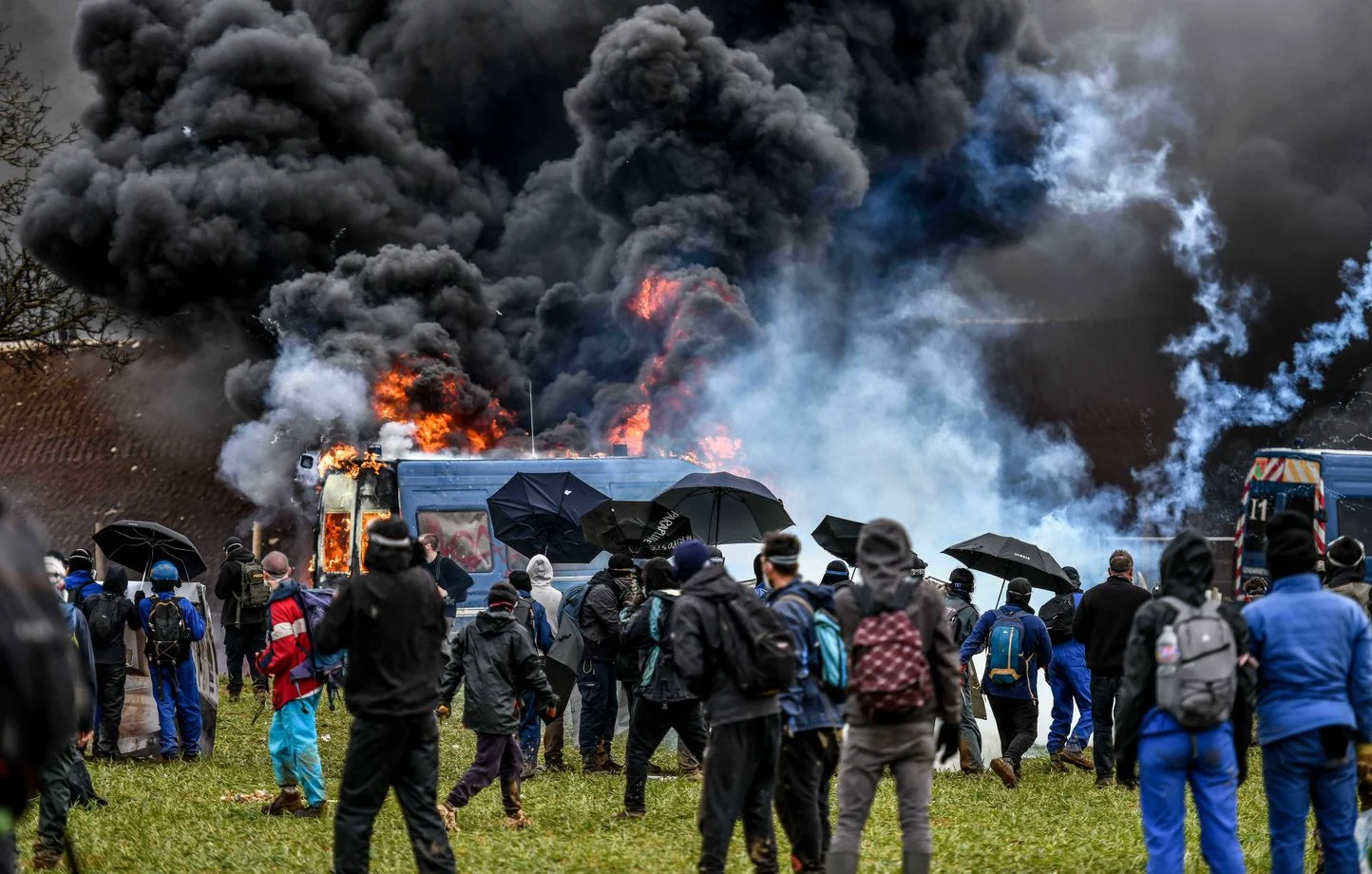
Efforts to blockade ICE raids and the detention center led to clashes with the police. Crowds spread throughout downtown and other neighborhoods. Protesters blocked streets and highways, fought police with stones and fireworks, built barricades, and set several cars on fire. On Sunday night, the chief of police announced that the LAPD was overwhelmed. Trump had already decided to send in the National Guard and, soon after, the Marines.
The explosion was always going to begin in Los Angeles. But now that the fire has started, it is beginning to expand. Protests have spread to dozens of cities across the country. Upwards of a thousand arrests, and counting. Texas and Missouri have deployed the National Guard.
Unrest has now spread inside immigrant detention centers. A riot inside of Delaney Hall Detention Facility in Newark, New Jersey led to several migrants tearing down a wall and escaping. The detention center, which has just reopened, might close.
What follows are some lessons from the battle of Los Angeles that could prove useful today, as the movement to stop the deportation machine begins to spread and deepen.
Continue reading →